Prophets and Politicians: The Blurred Lines in Ghana’s Democracy
By Seth Yeboah
In Ghana, a country rich in spiritual heritage, the convergence of religion, politics, and prophecy significantly influences the electoral conduct and governance of the nation. With around 71.3% of the population identifying as Christians and 19.9% as Muslims, religious convictions frequently blend with political matters, affecting voter behavior and shaping public sentiment.
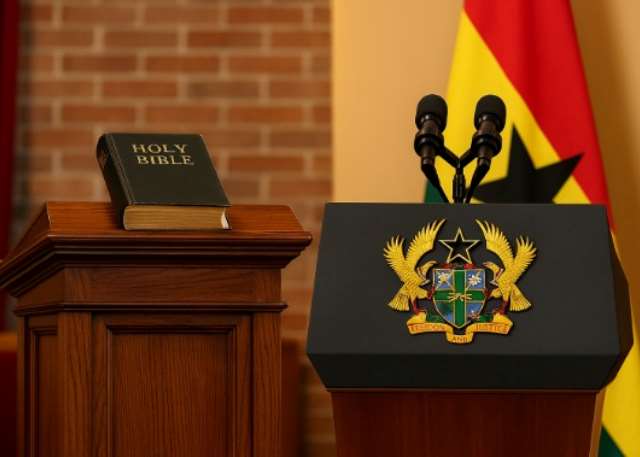
The Influence of Prophecy on Elections
Prophecies, especially those proclaimed by influential religious figures, can greatly influence election results. Noteworthy prophets like Rev. Owusu Bempah, Nigel Gaisie, and Victor Kusi Boateng have forecasted Ghana’s political landscape, frequently igniting controversy and discussion.
These prophecies can:
- Influence Public Sentiment: By asserting divine knowledge, prophets have the power to influence voters’ choices and foster a feeling of certainty regarding a specific candidate’s success.
- Generate Conflict: Divergent prophecies may result in discord and possible violence, particularly if the forecasts do not match the actual election outcomes.
- Weaken Democratic Systems: Excessive dependence on prophecies can diminish confidence in democratic institutions and their functioning.
The Role of Faith in Governance
Ghanaian leaders frequently appeal to divine will to rationalize their policies and decisions, portraying themselves as guardians appointed by God.
This narrative can:
- Foster Loyalty: Leaders perceived as “divinely chosen” can cultivate public loyalty and commitment.
- Hinder Accountability: An excessive focus on divine authority may stifle critical discussions regarding leadership accountability.
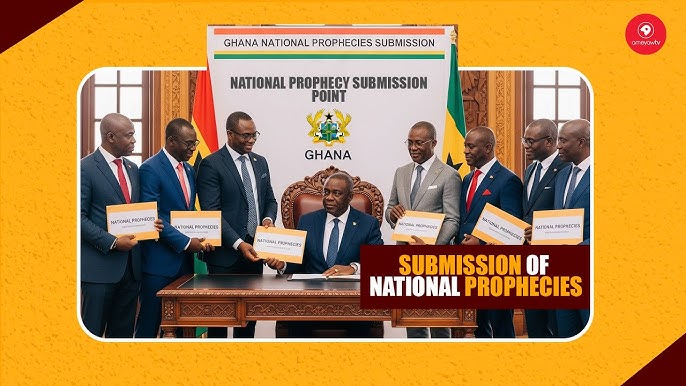
The Challenges of Prophetic Politics
Although prophecies can wield significant influence, they also bring about certain challenges:
- Risk of Instability: Prophecies that forecast violence or conflict may instill a feeling of anxiety and could disrupt the political landscape.
- Diminishing Trust: Frequent occurrences of false prophecies can undermine confidence in both religious authorities and the electoral system.
Balancing Faith and Reason
As Ghana maneuvers through its intricate ties among faith, politics, and prophecy, achieving a harmony between spiritual beliefs and democratic responsibility is essential. By cultivating a mindset of critical analysis and deeper comprehension, the people of Ghana can tap into the beneficial aspects of faith while safeguarding the integrity of their democratic systems.



About The Author