
TUC rejects Public Tribunals Bill, demands withdrawal
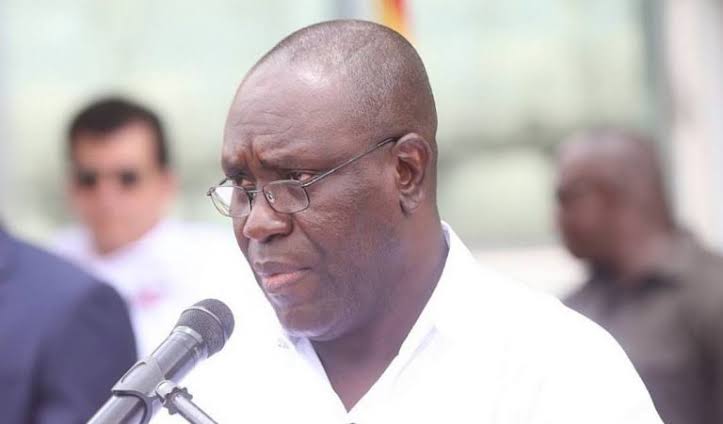
The Trades Union Congress, TUC, has rejected the proposed Public Tribunals Bill and is calling on the government to withdraw it immediately, warning that the law could undermine workers’ rights, due process, and judicial independence.
Addressing the media in Accra on Thursday, TUC Secretary General Dr. Anthony Yaw Baah said the bill, currently before Parliament, gives excessive powers to tribunals that could bypass the regular court system. He argued that this creates room for abuse and political interference in labor disputes and other civil matters.
“The TUC has studied the Public Tribunals Bill thoroughly. Our conclusion is simple: this bill, in its current form, is dangerous. It must be suspended until a full constitutional review is done,” Dr. Baah said.
Key concerns raised by the TUC
- Due Process: Congress says the bill allows tribunals to handle cases with limited rules of evidence and appeal, which could deny citizens a fair hearing.
- Workers’ Rights: Labour leaders fear employers and government agencies could use the tribunals to fast-track cases against unions and workers, weakening collective bargaining.
- Judicial Independence: The TUC argues that creating parallel structures outside the judiciary weakens the courts and opens the door to executive influence.
The bill has already sparked a clash in Parliament. Minority Leader Alexander Afenyo-Markin and Attorney-General Dr. Dominic Ayine had a heated exchange over the legislation’s scope and intent. The Minority contends the bill is being rushed without adequate stakeholder consultation, while the Attorney-General insists it is needed to decongest the courts and deliver faster justice.
Civil society groups, including CDD-Ghana, have also weighed in, calling for broader public engagement before any passage. “Justice delayed is justice denied, but justice rushed without safeguards is justice corrupted,” a CDD representative noted.
The TUC says it is mobilizing its 16 affiliated unions to petition MPs, conduct public education, and, if necessary, stage nationwide protests. Dr. Baah urged workers across the country to pay close attention, saying “any law that touches on how disputes are settled affects every worker in Ghana.”
The government has not yet responded officially to the TUC’s demand. However, sources in the Ministry of Justice say the bill is intended to provide a cheaper and faster avenue for resolving minor offenses and administrative disputes.
For now, labour says it will not back down. With Parliament still debating the bill, the next few weeks are expected to see intensified lobbying from both sides as Ghana decides whether to overhaul how certain cases are tried.
The TUC maintains that judicial reform is welcome, but not at the expense of constitutional protections



About The Author