Over 6,000 Ghana security service applicants fail drug tests, raising alarm over youth substance abuse
ACCRA, Ghana —
More than 6,000 Ghanaians who applied to join the country’s security services have been disqualified after testing positive for drugs during mandatory medical and substance screenings, recruitment authorities have confirmed.
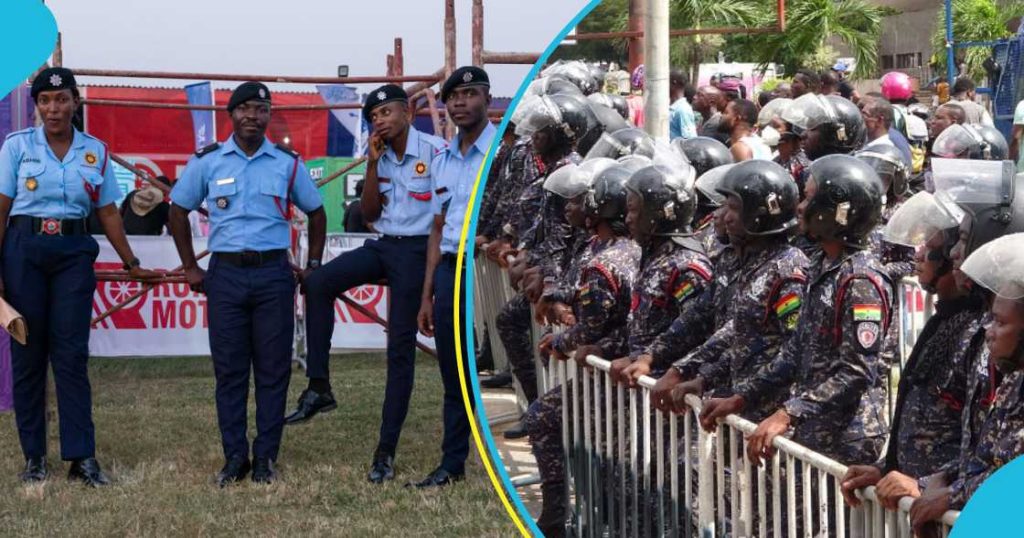
The disqualifications cut across major security agencies, including the Ghana Police Service, Ghana Armed Forces, Ghana Immigration Service, and the Ghana National Fire Service. The results form part of the most recent nationwide recruitment exercise aimed at strengthening the country’s security institutions.
Strict screening to protect national security
According to officials leading the recruitment process, every applicant is required to undergo a comprehensive medical examination, including laboratory drug testing, before proceeding to training and enlistment. A senior security official said the exercise is non-negotiable. “The safety of the nation depends on having disciplined, healthy, and drug-free personnel in our security agencies. Any applicant who tests positive for banned substances is automatically disqualified,” the official stated.
Authorities noted that substances detected included cannabis, tramadol, and other illicit drugs. Candidates who failed the test were informed immediately and excluded from further stages of the recruitment process.
A worrying trend among the youth
The scale of the failed tests has sparked widespread concern about substance abuse among young Ghanaians. Health professionals and civil society organizations say the numbers reflect a broader national challenge that goes beyond recruitment.
Dr. Ama Koranteng, a public health expert in Accra, said the findings should serve as a wake-up call. “When over 6,000 young people seeking to serve their country cannot pass a basic drug test, it tells us we have a deeper problem to address around peer pressure, unemployment, and access to illicit drugs,” she noted.
Stakeholders are now urging government and community leaders to invest more in drug education, youth employment, and rehabilitation programs. Schools, churches, and local assemblies are also being called to intensify awareness campaigns on the dangers of drug abuse.
Next steps for recruitment
Despite the high number of disqualifications, the recruitment process is expected to continue with qualified candidates moving to the next phase of training. Security agencies say they remain committed to maintaining high standards and building a professional force.
The Ministry of Interior is expected to publish a full report detailing the breakdown by agency and region in the coming weeks. For many families and young applicants, the results are a tough lesson. For the country, they are a clear signal that tackling drug abuse among the youth must become a national priority if Ghana is to build a stronger, healthier, and more secure future.



About The Author