Deputy Health Minister takes Maternal Mortality Response Programme to Bono Region
The Deputy Minister for Health, Prof. Dr. Grace Ayensu-Danquah, has taken the Ministry of Health’s Maternal Mortality Action and Response Programme (M-MARP) to the Bono Region to identify and address persistent gaps contributing to preventable maternal deaths.
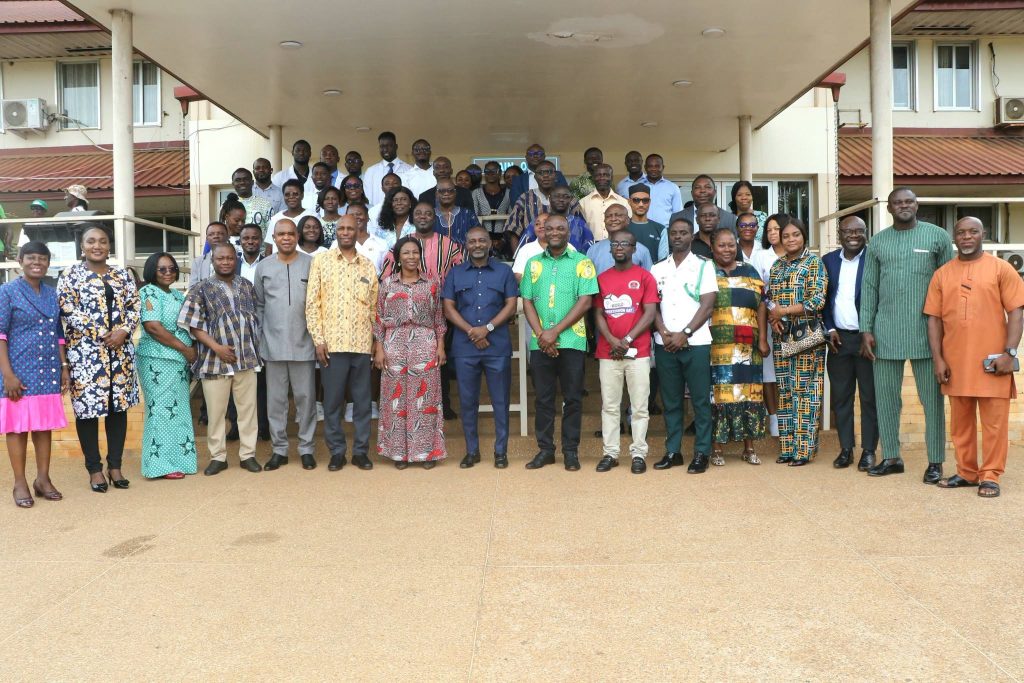
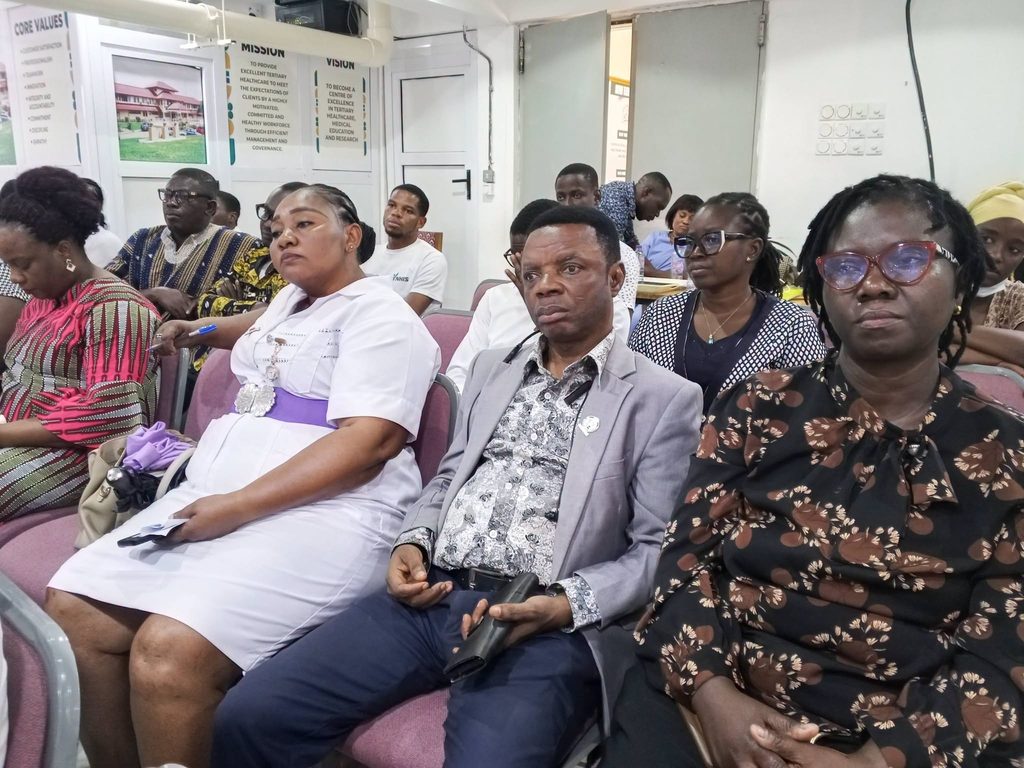
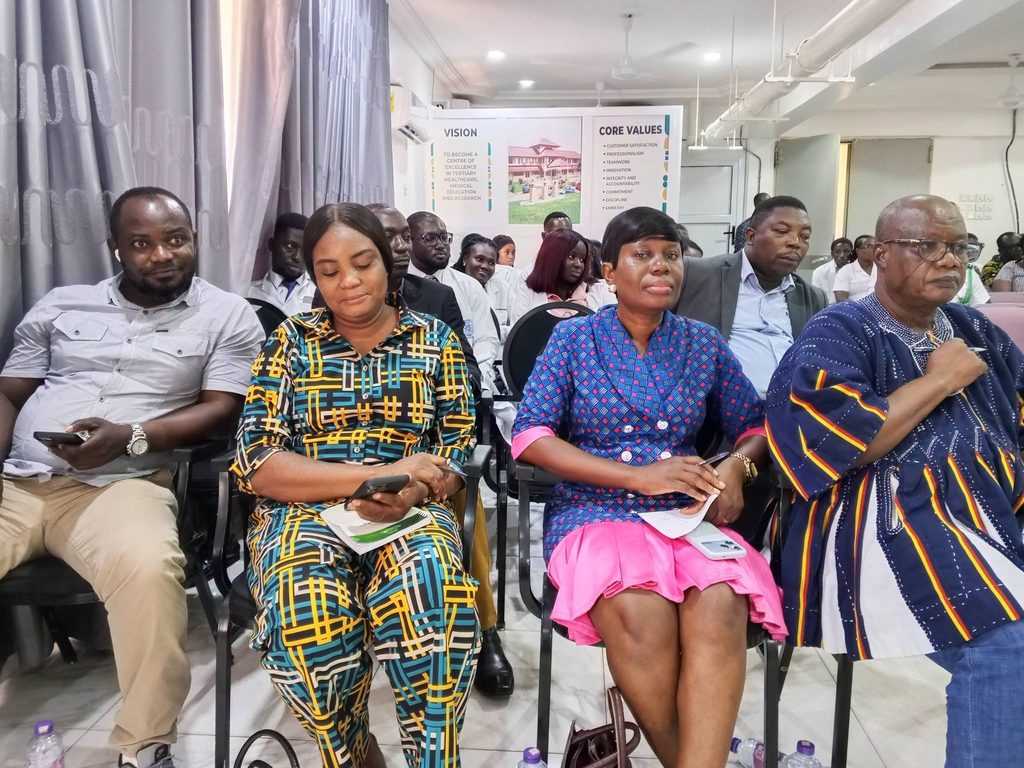
The two-day working visit, her sixth regional engagement under the M-MARP Regional Ecosystem Assessment, brought together the Bono Regional Health Directorate, the Chief Executive Officer of the Sunyani Regional Hospital, Municipal and District Directors of Health Services, Medical Superintendents and members of the Bono Regional Health Management Team.
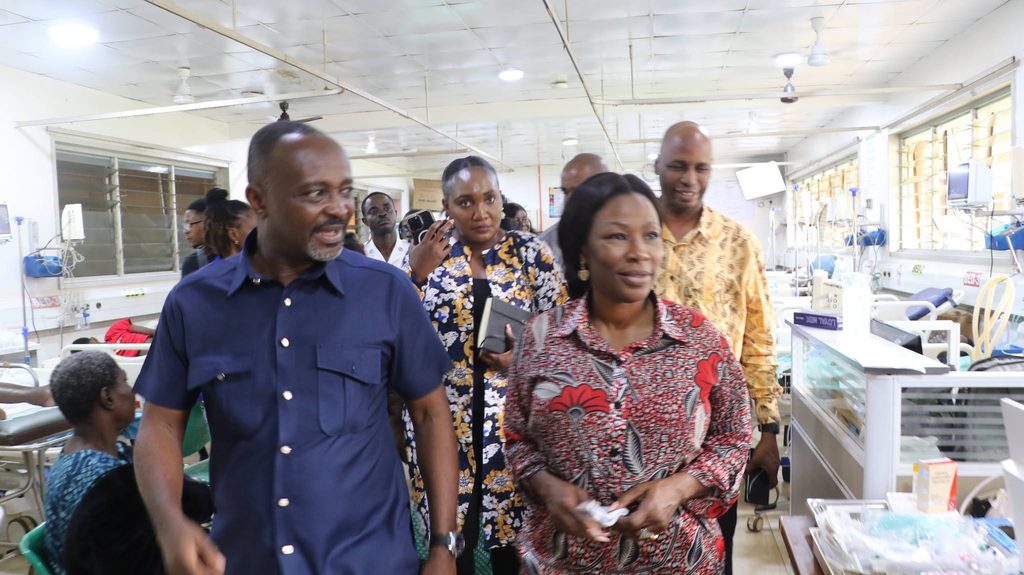
The engagement was aimed at assessing maternal health service delivery, referral systems, emergency obstetric care and other factors affecting maternal outcomes in the region.
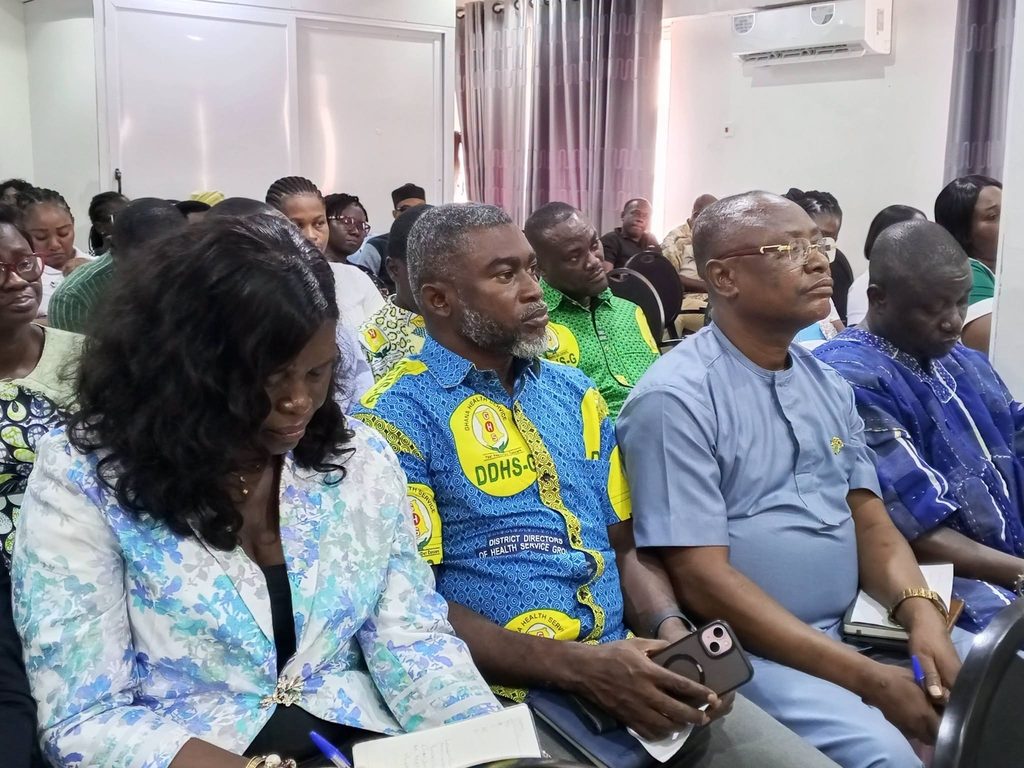
Speaking at the engagement, Prof. Dr. Ayensu-Danquah said M-MARP was designed to move beyond policies and programmes to understand what is actually happening on the ground and identify the specific gaps that continue to result in maternal deaths.
She noted that although Ghana has implemented numerous maternal health policies and interventions over the years, maternal mortality remains a major concern, making it necessary to reassess existing approaches and develop a coordinated roadmap for action.
She said a significant number of women who die from maternal complications have already interacted with the health system, including attending antenatal care, raising questions about the quality, timeliness and effectiveness of care received.
She therefore called for a deeper examination of the underlying causes of complications such as haemorrhage and hypertension, rather than treating them simply as broad causes of death.
The Bono Regional Director of Health Services, Dr. Abudulai Abukari, identified delays in seeking care, referrals and receiving appropriate treatment as some of the challenges contributing to maternal deaths in the region.
He also cited gaps in identifying high-risk pregnancies, inadequate critical equipment and challenges with ambulance availability and referral services.
He said the region had instituted measures including regular maternal death reviews, refresher training for midwives and a regional clinical WhatsApp platform that allows health workers to seek specialist guidance on complicated cases in real time.
He called for stronger referral systems, sustainable financing, improved infrastructure and equipment, and better distribution of health personnel.
Prof. Dr. Ayensu-Danquah stressed that reducing maternal mortality requires a coordinated response involving health professionals, families, traditional and religious leaders, communities, civil society and development partners.
She said the M-MARP regional assessments were intended to generate practical action points that would strengthen maternal health services and help prevent avoidable maternal deaths.



About The Author