
Anti-LGBTQ+ Bill Still Far From Becoming Law – Mahama
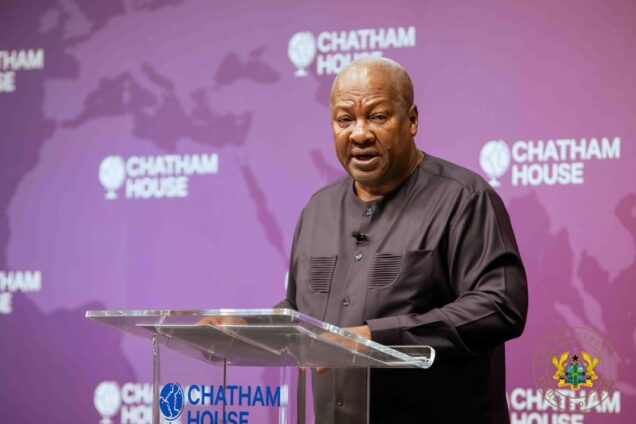
President John Mahama has clarified that the Anti-LGBTQ+ Bill is still far from becoming law in Ghana, despite ongoing public debate on the matter. Speaking at a Chatham House event in London on June 1, the first day of Pride Month, the President addressed confusion following Parliament’s approval of the legislation on May 29, 2026.Current status of the bill
Addressing the London audience, President Mahama explained that several key steps remain before the bill can become law, even though Parliament approved it. He noted that the legislation began as a private member’s motion rather than a bill introduced by the government, and it must now go through legal and constitutional scrutiny.
“Once the president gets it, you go through it because you’re not part of the discussion in Parliament,” Mahama told attendees. “The legal representative, the legal counsel in the Presidency and the Attorney General would sit on it … and make sure that everything is in order before the president is advised to assent.”
Background on the Human Sexual Rights and Family Values Bill
The Anti-LGBTQ+ Bill, formally known as the Human Sexual Rights and Family Values Bill, was passed by Parliament in a previous administration but has faced legal and procedural hurdles since then. The bill seeks to criminalize LGBTQ+ activities and advocacy in Ghana. Its passage has drawn attention from local civil society groups, international human rights organizations, and Ghana’s diplomatic partners.
The delay in assent has been a major talking point since 2024, with Speaker Alban Bagbin repeatedly urging the executive to act. The bill’s journey highlights the constitutional checks between Parliament and the Presidency in Ghana’s democratic process.
Speaker Bagbin weighs in
President Mahama’s comments come as both supporters and opponents of the bill continue to push their positions. Speaker of Parliament Alban Bagbin has also spoken on the matter in other papers today, with Day Break reporting him saying the bill “has not gone anywhere” under the current President. Bagbin’s remarks suggest frustration from the legislative side over the pace of executive action.
Legal process and what happens next
Legal experts note that any new steps on the bill will depend on Parliament reintroducing it and following constitutional requirements. The President’s remarks suggest the government is focused on due process rather than rushing legislation. Constitutional review will examine compatibility with Ghana’s 1992 Constitution, particularly articles on fundamental human rights.
The next procedural step involves the Attorney General’s office conducting a detailed legal audit. Only after this review can the President decide whether to assent, request amendments, or refer the bill back to Parliament.
National debate continues
The debate remains a major topic of national discussion across Ghana. Religious groups, traditional leaders, and advocacy organizations have all made their positions public. With Pride Month beginning and international attention focused on Ghana, the government’s handling of the bill will likely remain in the spotlight for months to come.



About The Author