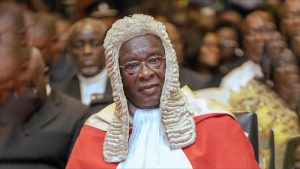
Accra court jails TikToker for 1 year over false video alleging President Mahama buried 32 cows
ACCRA —
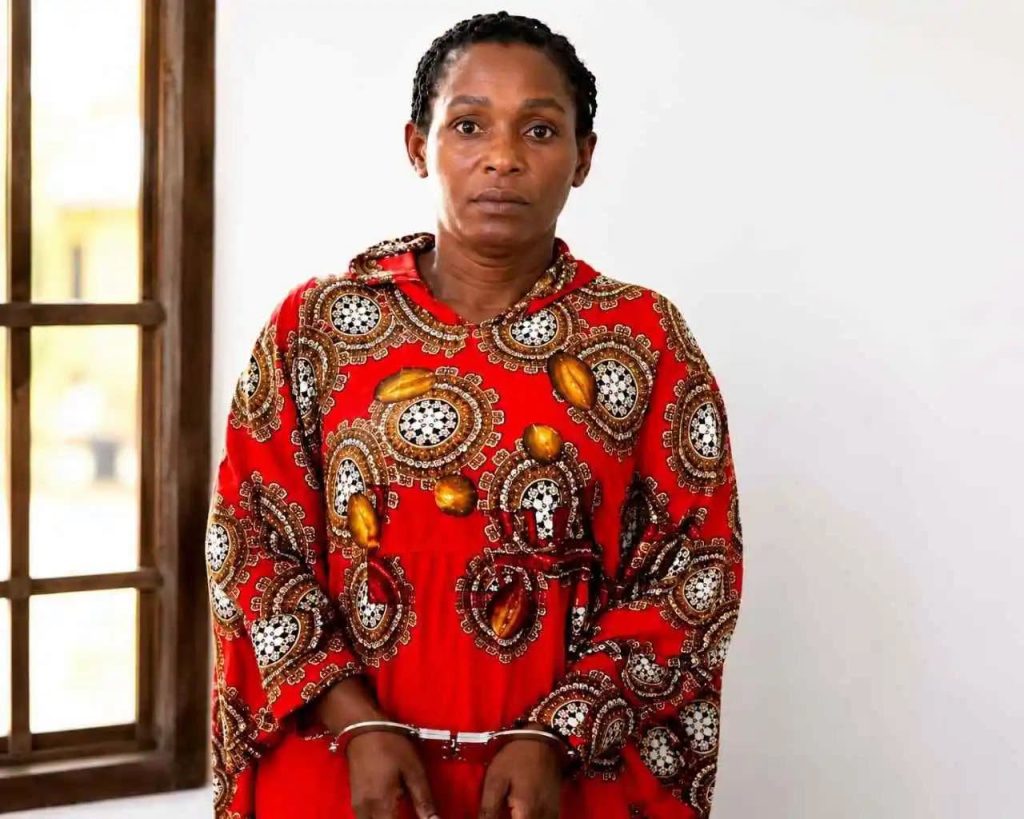
An Accra Circuit Court has sentenced Ghanaian TikToker Camilla Alhassan to one year in prison after she pleaded guilty to charges of publishing false news and engaging in offensive conduct.
The court heard that the charges stemmed from videos Alhassan posted on TikTok in which she alleged, without evidence, that President John Dramani Mahama had buried 32 cows as part of a ritual to secure victory in the 2024 general election. Authorities said the claims were investigated and found to be false.
Prosecutors told the court that the videos had circulated widely on social media and were deemed to be offensive and capable of causing public disaffection. After being arraigned, Alhassan pleaded guilty to both counts. The court subsequently handed down a one-year custodial sentence.
The case has sparked fresh debate online about the limits of free speech, the responsibilities of content creators, and the application of laws on false publication and offensive conduct in the digital age.
Government position on misinformation
Government officials have in recent months warned against the spread of false information on social media, particularly content targeting public officials and national institutions. They argue that such content can undermine public trust, stoke tension, and distract from governance.
Supporters of the prosecution say public figures must be protected from deliberate falsehoods, and that social media platforms should not be used to spread unverified claims about the President or other state institutions. Free speech concerns raised
Others have questioned whether custodial sentences are the appropriate response to offensive or false online speech. Legal analysts and civil society advocates note that Ghana’s 1992 Constitution guarantees freedom of expression, and that the appropriate remedy for false speech in a democracy is often counter-speech, public correction, and civil action rather than criminal prosecution.
Some commentators have also called for a review of colonial-era laws that criminalize the publication of false news, arguing that such statutes can be misapplied to suppress criticism and dissent.
Rising scrutiny of online content
The sentencing comes at a time when Ghanaian authorities are paying closer attention to content on TikTok, Facebook, X, and other platforms. Police and regulators have cautioned creators to verify information before posting, warning that sharing false claims about individuals, especially public officials, could attract legal consequences.
Digital rights groups say the case highlights the need for greater media literacy among young users and clearer guidelines on what constitutes criminal speech online. They also urge platforms to do more to flag and limit the spread of demonstrably false content.
As the video in question continues to be referenced in online discussions, the ruling is likely to set a precedent for how Ghana’s courts handle cases involving alleged misinformation and insults directed at the presidency on social media.



About The Author