
Producer Inflation Slows to 3.5% as Mining Prices Fall
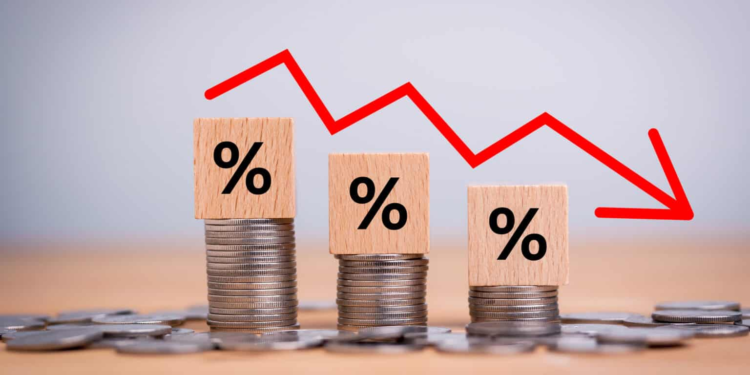
Ghana’s producer inflation rate slowed sharply to 3.5% year-on-year in June 2026, down from 5.8% in May, according to new data from the Ghana Statistical Service. The decline was driven largely by falling prices in the mining sector, which has been a major contributor to producer price movements over the last year.
On a month-on-month basis, producer inflation dropped by -3.7%, indicating that prices at the factory gate fell compared to May. Economists say this is a positive signal for businesses because lower input costs can eventually translate into lower consumer prices.
A breakdown of the data shows the industry sector recorded 3.3% inflation, services came in at 2.5%, and construction was the highest at 4.6%. The mining and quarrying sub-sector saw the biggest deceleration, reflecting global commodity price corrections and improved local supply.
Analysts say the slowdown gives the Bank of Ghana more room to consider policy easing in the coming months. PwC has already forecast that the policy rate could fall to 12% by 2027, with the cedi stabilizing around GH¢13 to US$1. Market watchers note that investors are now prioritizing fiscal credibility and delivery over political promises, and consistent inflation data helps build that confidence.
For manufacturers, the drop in producer inflation is welcome relief after months of high input costs. The Association of Ghana Industries said members have been struggling with expensive raw materials, energy, and logistics. If the trend continues, businesses may be able to pass fewer costs to consumers.
However, some experts caution that the decline is partly due to base effects and volatile global metal prices. They argue that unless structural issues like energy costs and port charges are addressed, the relief may be temporary.
Government officials welcomed the figures, saying they reflect the impact of fiscal discipline and targeted interventions in key sectors. The Ministry of Finance said it expects inflation to continue trending downward through the second half of the year, supporting the mid-year budget review priorities.
Consumers may not feel the impact immediately, but economists say producer inflation is a leading indicator. If factory costs stay low, retail prices for goods like cement, food products, and building materials could ease in the coming months.



About The Author