Ghana Radiologists Link Illegal Mining Pollution to Rising Kidney Disease Cases
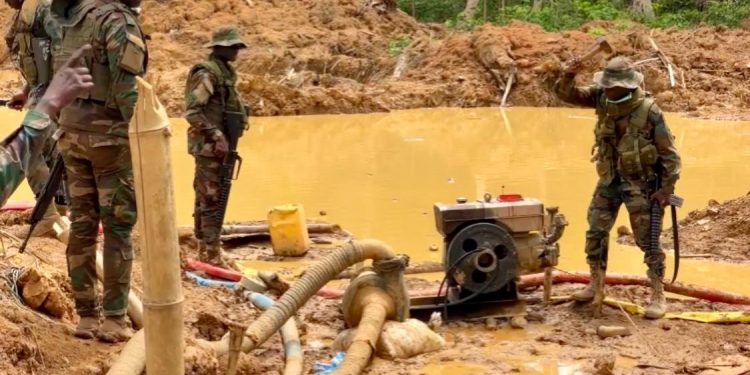
The Ghana Association of Radiologists (GAR) has called on the government to strengthen efforts against illegal mining, known locally as galamsey, citing its impact on water quality and public health.
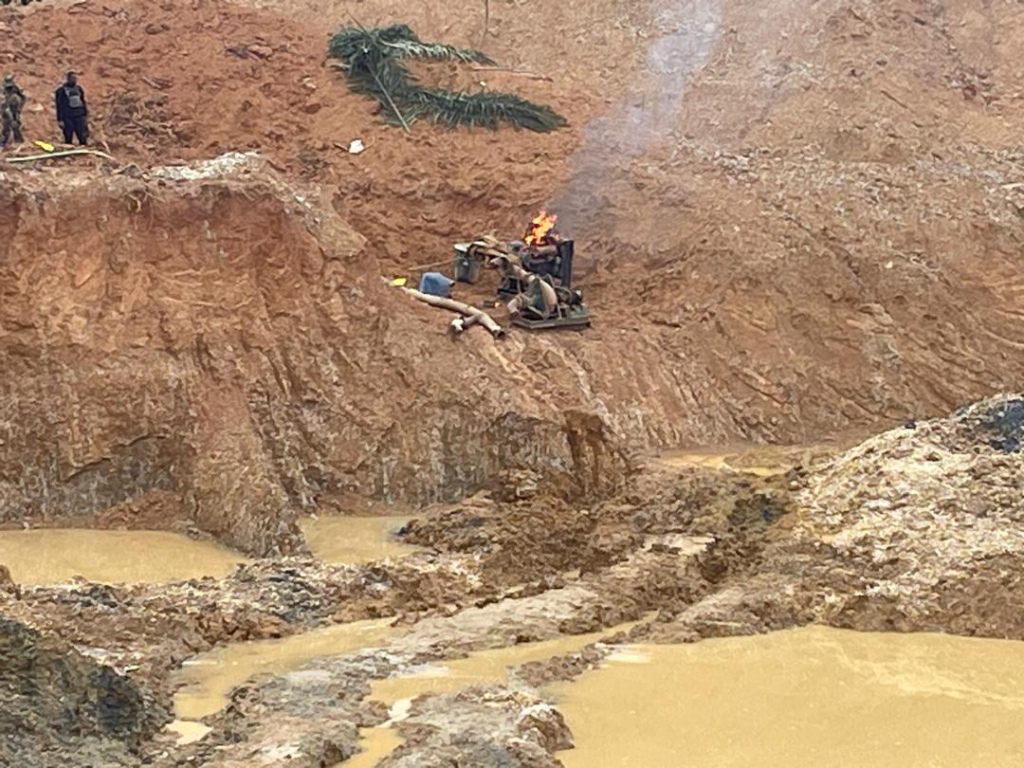
According to the Association, the use of mercury and cyanide in unregulated artisanal mining is contaminating major water bodies and exposing nearby communities to toxic substances that can affect the kidneys and other organs.
Speaking at the 14th Annual General and Scientific Meeting of GAR in Accra, GAR President Dr. Francis Ofei described the situation as a growing public health concern.
“Illegal artisanal mining is contributing to the rising incidence of kidney disease in Ghana,” Dr. Ofei said. “The contamination of water sources by mercury and cyanide poses a risk to millions who depend on these water bodies.
”He added that the issue extends beyond the environment, noting the direct health implications for affected populations.
Citing a Ghana News Agency report referencing Dr. Mensah Amoah, a nephrology specialist, GAR noted that an estimated 13% of Ghana’s adult population is living with chronic kidney disease. The report stated that many cases occur among people aged 20 to 50.
Dr. Ofei identified the Pra, Birim, Ankobra, and Offin rivers as among the water bodies impacted by mining activities. He explained that exposure to mercury and cyanide through water and food can strain kidney function over time.
The conference, themed “From Kidneys to Urethra: Imaging the Genitourinary System in the Era of Multidisciplinary Care,” brought together radiologists, nephrologists, urologists, and other healthcare professionals to discuss advances in medical imaging and collaborative care.
Dr. Ofei emphasized the importance of early diagnosis, regular check-ups, and increased investment in diagnostic imaging equipment. He also called for a multidisciplinary approach to patient care, saying collaboration between specialists improves outcomes.



About The Author