
Govt Unveils New Cocoa Financing Model to Boost Farmer Funding
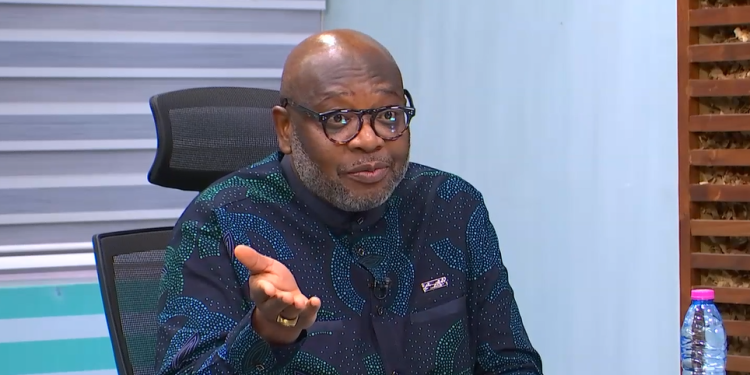
The government has unveiled a new cocoa financing model aimed at improving funding for Ghana’s cocoa farmers and strengthening the sector’s productivity. According to The National Enquirer, the new model was announced with COCOBOD Chief Executive Officer Dr. Randy Abbey at the center of the rollout.
New financing structure for farmers
Dr. Abbey said the financing structure is designed to address long-standing challenges farmers face with access to capital and timely payments. Under the new system, the government is targeting improved cash flow for farmers during the harvest season while reducing reliance on external loans that have weighed on the sector in previous years.
For decades, COCOBOD relied on syndicated loans from international banks to pre-finance cocoa purchases. Those loans came with high interest rates and currency risks that cut into farmer payments. The new model shifts toward more local financing and better timing of fund releases.
Why cocoa financing matters
Officials believe the model will help stabilize producer prices and increase Ghana’s cocoa output. Ghana and the Ivory Coast together produce over 60% of the world’s cocoa, but both countries have struggled with smuggling when farmgate prices fall below neighboring markets.
The move comes at a time when global cocoa prices remain volatile, and Ghana is pushing to regain its position as a top producer after output dropped in recent seasons. Industry players say better financing will also help curb smuggling and ensure more cocoa beans are sold through official channels, boosting government revenue.
Role of COCOBOD and stakeholders
Dr. Abbey noted that the success of the model will depend on collaboration between COCOBOD, financial institutions, and farmer groups across the cocoa-growing regions. Licensed Buying Companies will be integrated into the system to ensure payments reach farmers faster during peak harvest from October to March.
Financial institutions like ADB, GCB Bank, and rural banks are expected to provide bridge financing under government guarantees. Farmer cooperatives will also play a bigger role in aggregating beans and verifying volumes to reduce leakages.
Broader agricultural modernization
The government says the new financing approach forms part of broader efforts to modernize agriculture and protect farmer livelihoods. Under the Reset Agenda, agriculture is a priority sector for job creation and export earnings. COCOBOD has also invested in subsidized fertilizers, disease control, and rehabilitation of aging cocoa farms.
Analysts say improving farmer incomes is key to stopping youth migration from cocoa towns. When farmers get paid on time and earn better prices, they’re more likely to replant and maintain farms instead of switching to galamsey.
What farmers should expect next?
The new model is expected to roll out fully ahead of the 2026/2027 crop season. COCOBOD will hold regional sensitization forums in Ashanti, Western North, and Eastern regions to explain payment timelines and financing terms to farmers.
If successful, Ghana could see cocoa production rise above 900,000 tonnes again while keeping more value within local communities. Dr. Abbey’s team will monitor implementation quarterly and adjust terms based on farmer feedback.



About The Author