
Ghana needs ¢1.5 billion to build a proper national food reserve, says Buffer Stock CEO
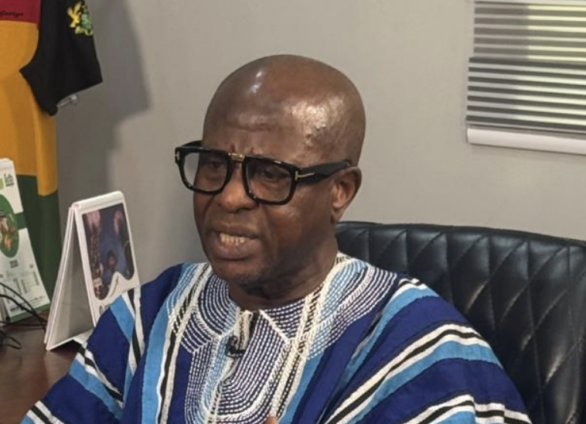
Ghana requires at least ¢1.5 billion to build a meaningful national food reserve system, according to George Abradu-Otoo, CEO of the National Food Buffer Stock Company. Speaking on JoyNews’ PM Express Business Edition on Thursday, he said the ¢300 million currently available is far too small for large-scale purchases of surplus grains from farmers and will not create the buffer Ghana needs.
Current funding only allows for minimal purchases
“Last year, Minister of Finance Dr. Ato Forson announced that they were giving us further ¢200 million to continue the good work that we were doing, so in other words, so far we had only ¢300 million,” Mr. Abradu-Otoo explained. He noted that while the funding has allowed the company to start building reserves, “if we need to do proper meaningful mopping up of excess grains, we need no less than ¢1.5 billion, so you can imagine what ¢300 million has done.”
Government’s move marks policy shift
Despite the funding gap, the Buffer Stock CEO called the government’s intervention an important first step. “It’s a good beginning because it hasn’t been done before. That’s where I draw my comfort from,” he said. According to him, prioritizing food reserves represents a significant policy shift for a country that has long depended on spot market purchases.
Ghana lags behind its West African neighbors
Mr Abradu-Otoo pointed out that Ghana is the only country in the West African sub-region without a strategic food reserve, even though it is a major agricultural producer. “If you take the West African sub-region, Ghana is the only country that did not have a food reserve, can you believe that? Interestingly, we can also have Mali, etc, have a national food reserve,” he added. Those countries have long used reserves to cushion citizens against supply shocks and price volatility.
More funding is needed to cut post-harvest losses
With concerns growing over food security and post-harvest losses, the CEO believes scaling up funding will allow the company to buy more excess grain, reduce waste, and stabilize markets for farmers during bumper harvests. He said stronger reserves would give Ghana a solid buffer against future food shortages while supporting farm incomes.



About The Author