
Iran closes Strait of Hormuz after Israeli strikes on southern Lebanon, cites breach of U.S. deal
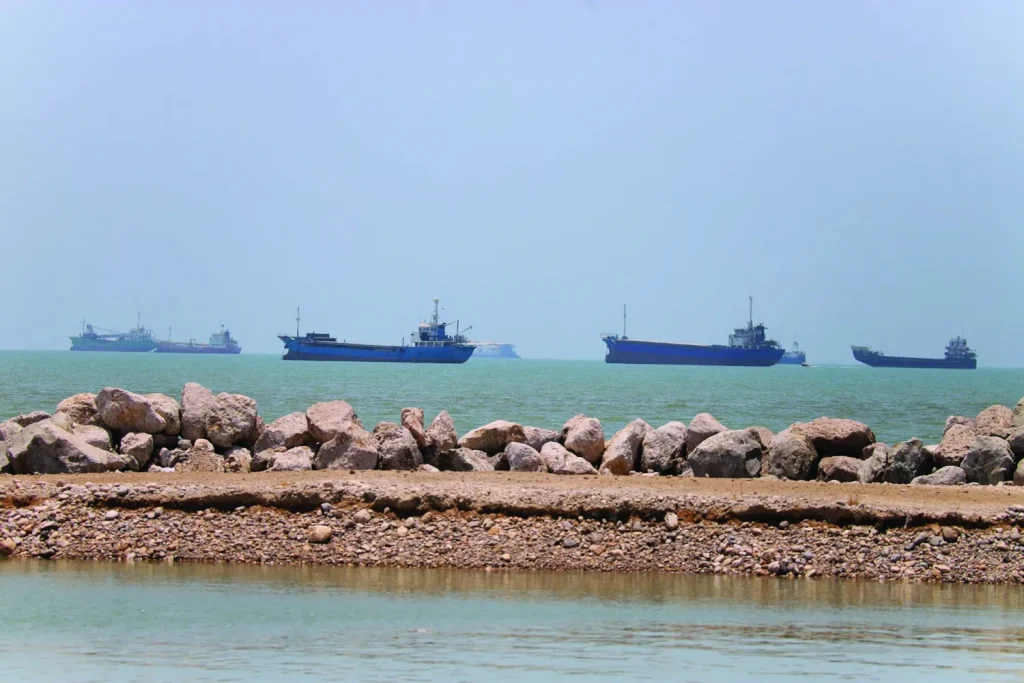
Iran’s central military command announced Thursday it has closed the Strait of Hormuz, the world’s most critical oil chokepoint, in direct response to Israeli strikes on southern Lebanon. Tehran said the Israeli attacks breached an agreement Iran holds with the United States.
The closure was confirmed in a statement from Iran’s military command, which described the Israeli strikes as a violation of agreed terms between Washington and Tehran. No details of the specific agreement were provided. Iranian forces moved to halt maritime traffic through the 33km-wide strait between the Persian Gulf and the Gulf of Oman immediately after the announcement.
Critical oil artery shut
The Strait of Hormuz handles about 20% of global oil consumption and roughly 30% of seaborne-traded crude. More than 21 million barrels per day pass through its narrow shipping lanes. Energy analysts warn that any disruption threatens immediate spikes in oil prices, shipping costs, and global inflation.
Lloyd’s List and other maritime trackers reported vessel traffic slowing near the strait as tankers awaited instructions. Shipping insurers are expected to raise war risk premiums within hours.
Israeli strikes on southern Lebanon
Israel launched a series of airstrikes on southern Lebanon earlier Thursday, targeting what it described as Hezbollah infrastructure near the border. Lebanese officials reported casualties and damage to civilian areas. Hezbollah, backed by Iran, has exchanged fire with Israel along the border since the Gaza conflict escalated.
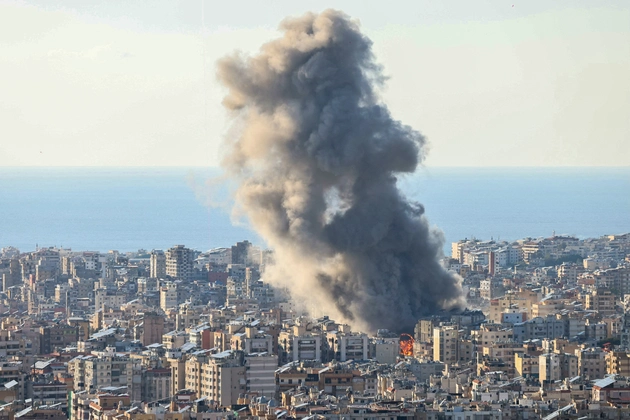
Iran has long warned it would respond forcefully to Israeli actions against its regional allies. The central military command linked Thursday’s closure directly to the southern Lebanon strikes, calling them a breach of Iran’s understanding with the U.S.U.S. and global reaction
The White House has not yet issued an official response. The U.S. Fifth Fleet, based in Bahrain, maintains a constant presence in the region to ensure freedom of navigation. Pentagon officials said they were monitoring the situation closely.
Oil markets reacted within minutes of the announcement. Brent crude jumped more than $7 per barrel in early trading. Stock markets in Asia and Europe opened lower amid fears of a wider regional conflict.
Stakes for global economy
Any prolonged closure of Hormuz would disrupt exports from Saudi Arabia, Iraq, the UAE, Kuwait, and Qatar. Countries including China, India, Japan, and South Korea rely heavily on Gulf oil transiting the Strait. The last major disruption occurred during the 1980s “Tanker War” between Iran and Iraq.
Iran’s move raises the risk of direct U.S. naval involvement. U.S. officials have repeatedly stated that keeping Hormuz open is a core national security interest.
The situation remains fluid as diplomats push for de-escalation and oil markets brace for volatility.
This is a developing story. Updates to follow as more details emerge.



About The Author