
Ghana records 15,290 new HIV infections as experts call for urgent action
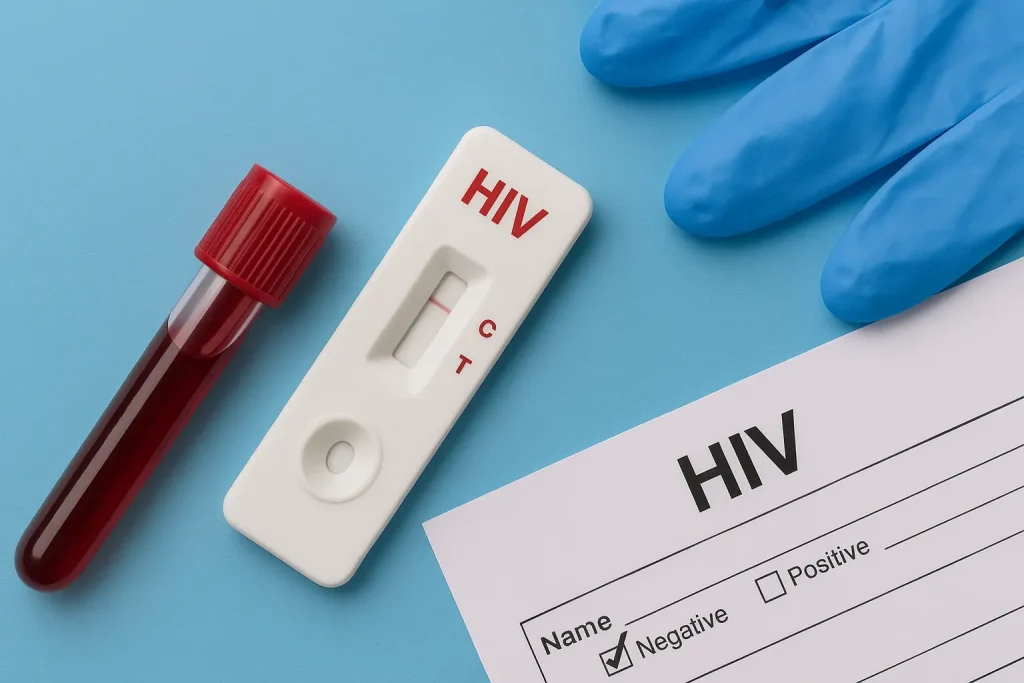
Ghana recorded 15,290 new HIV infections in the latest reporting period, according to data released by the Ghana AIDS Commission (GAC). The figure has triggered fresh calls from health experts for intensified prevention, testing, and public education to curb the spread of the virus.
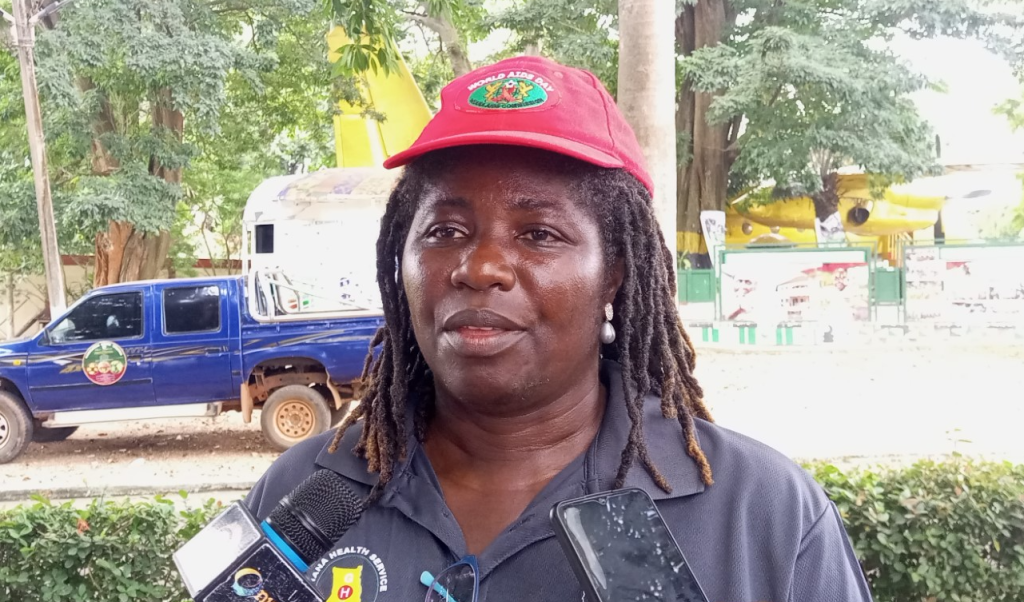
Ms Olivia Graham, Ashanti Regional Technical Coordinator of the Ghana AIDS Commission, shared the data during a media engagement in Kumasi. She described the number of new infections as worrying and said it highlights gaps in awareness and preventive behavior, especially among young people.
“These new infections tell us that HIV remains a public health priority,” Ms Graham stated. “We must strengthen our prevention strategies and encourage more Ghanaians to know their HIV status through testing. Stigma and misinformation continue to be major barriers.”
Health professionals are urging government, civil society organizations, and development partners to increase investment in HIV programs. Key areas identified include community education, condom distribution, access to antiretroviral drugs, and targeted interventions for high-risk groups.
Experts also emphasized the need to tackle stigma and discrimination against people living with HIV. They noted that fear of judgment prevents many Ghanaians from getting tested and accessing treatment early, which increases the risk of transmission.
Ghana continues to pursue the global 95-95-95 targets set by UNAIDS. The goal is for 95% of people living with HIV to know their status, 95% of those diagnosed to be on antiretroviral treatment, and 95% of those on treatment to achieve viral suppression. Achieving these targets is critical to ending HIV as a public health threat by 2030.
The Ghana AIDS Commission has reiterated that HIV testing and counseling services remain free at all government hospitals, health centers, and approved testing sites across the country. Mobile testing campaigns are also being rolled out in communities with high infection rates.
Ms Graham encouraged Ghanaians, particularly the youth, to take advantage of these services and adopt safer practices. “Knowing your status is the first step. Whether positive or negative, it empowers you to make informed decisions about your health and your future,” she added.
The Commission is expected to release a detailed regional and demographic breakdown of the new infections in its upcoming annual report. Health officials hope the data will guide more effective, localized interventions.



About The Author