
COBOD Under Fire Over Onomabo Land Dispute: Board Denies Backing Unlawful Developers
Accra, Ghana – June 4, 2026
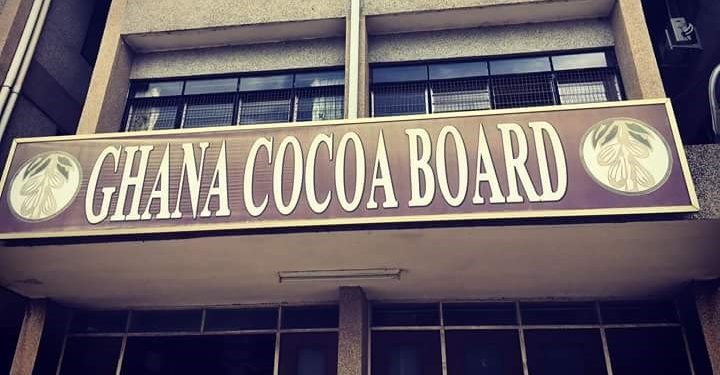
The Ghana Cocoa Board, COCOBOD, is under pressure following allegations of misconduct in the Onomabo land dispute. Critics say the cocoa regulator is siding with unlawful developers instead of protecting the rights of legal land owners in the area.
According to the front page of Africa Today News today, the controversy has sparked tension among residents and landowners in Onomabo. The allegation is that COCOBOD’s actions and decisions have favored developers without proper title or authorization, putting legitimate owners at a disadvantage. The dispute touches on a sensitive issue in Ghana: competing claims over state, stool, and private lands, especially in areas with high commercial value.
COBOD Board Responds
The COCOBOD Board has strongly denied the allegations. In a statement, Board members insisted that the institution is following due process and acting in the interest of the state and cocoa industry. They argued that any land transactions or support for developers are within legal frameworks and meant to protect cocoa farmlands from encroachment and illegal sales.
COBOD manages over 1.5 million hectares of cocoa land and has a mandate to protect cocoa-producing areas. In recent years, urban expansion and real estate development have increased pressure on cocoa lands, leading to frequent disputes between farmers, chiefs, developers, and state agencies.
Why the Onomabo case matters
Land disputes involving COCOBOD are closely watched because they affect cocoa production, farmer livelihoods, and Ghana’s export earnings. Cocoa remains one of Ghana’s top foreign exchange earners. If farmlands are lost to unregulated development, it could hurt output and rural incomes.
Legal experts say the resolution will depend on documentation, stool records, and whether proper land acquisition procedures were followed. The Lands Commission and courts are expected to play a key role in determining the rightful owners.
Calls for transparency
Civil society groups are urging COCOBOD to make its land records public and engage all stakeholders transparently. They argue that open processes will prevent speculation and protect both farmers and investors.
For now, the full details of COCOBOD’s position and the landowners’ claims are expected on Page 2 of Africa Today News. Residents in Onomabo say they hope authorities will resolve the matter quickly to avoid further conflict.



About The Author