
Ghana to Produce First Local Vaccine by 2027: National Vaccine Institute Targets Self-Sufficiency
Accra, Ghana – June 5, 2026
Ghana is preparing to manufacture its first locally produced vaccine by 2027, marking a major step toward health security and self-reliance. The National Vaccine Institute NVI says the country is moving fast to build a full vaccine ecosystem that will reduce dependence on foreign donors and global supply chains.
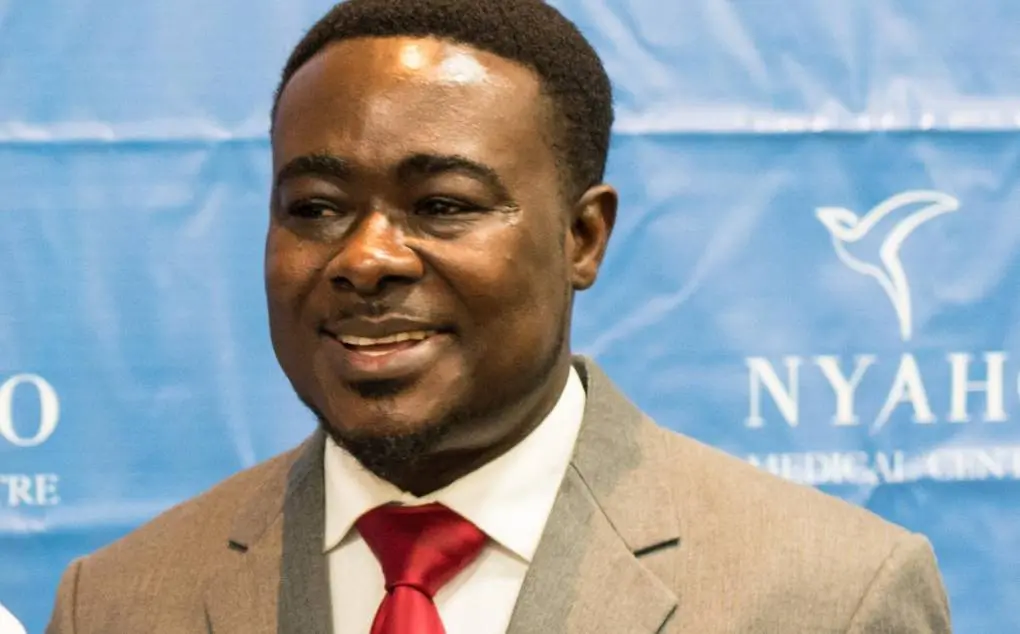
Dr. Sodzi Sodzi-Tettey, Chief Executive Officer of the NVI, disclosed this during a working visit to the Daily Graphic in Accra. He explained that the Institute is currently seeking strategic partnerships with key investors and financial institutions to fund local vaccine manufacturing in Ghana by 2030.Why local vaccine production matters
For years, Ghana has relied heavily on the Global Vaccine Alliance GAVI for vaccine funding and supply. That support is expected to end soon. Dr. Sodzi-Tettey revealed that once GAVI funding phases out, Ghana will need to fund its vaccines locally at a cost of about $50 million per year for the next four years. Local production is seen as the most sustainable way to meet that demand and protect public health.
“Ghana is expected to fund its vaccines locally at a cost of about $50 million in four years’ time, when funding from the global vaccine alliance GAVI ends,” he said. “The NVI is therefore looking for strategic investors such as the Ghana Exim Bank, Afreximbank and the International Finance Corporation IFC to fund local manufacturers to produce vaccines for the country.”
Building the ecosystem by 2030
The NVI’s roadmap goes beyond 2027. The Institute wants Ghana to have full capacity to research, develop, and manufacture vaccines locally by 2030. That includes building modern facilities, training scientists, and creating regulatory systems that meet international standards.
Dr. Sodzi-Tettey said the 2027 target is for Ghana’s first locally made vaccine, while 2030 represents full self-sufficiency. The visit to Graphic was part of efforts to solicit media support and public awareness as NVI works to build confidence and attract investment.
Partnerships and investment
To achieve these goals, NVI is engaging institutions like Ghana Exim Bank for local financing, Afreximbank for regional trade support, and IFC for technical and investment backing. The Institute believes public-private partnerships will be critical to de-risk the project and make vaccine production commercially viable.
Health experts say local vaccine manufacturing will not only save foreign exchange but also create high-skilled jobs in science, engineering, and pharmaceuticals. It will also improve Ghana’s ability to respond quickly to disease outbreaks without waiting for global supply.
What happens next
The NVI will continue stakeholder engagements with government, development partners, and the private sector in 2026. Regulatory approvals, facility upgrades, and technology transfer agreements are expected to be finalized before production begins.
If successful, Ghana will join South Africa, Senegal, and Egypt as one of the few African countries with vaccine manufacturing capacity. For millions of Ghanaians, that could mean cheaper, faster access to life-saving vaccines.



About The Author