Education committee builds capacity to enhance oversight of Ghana’s education sector
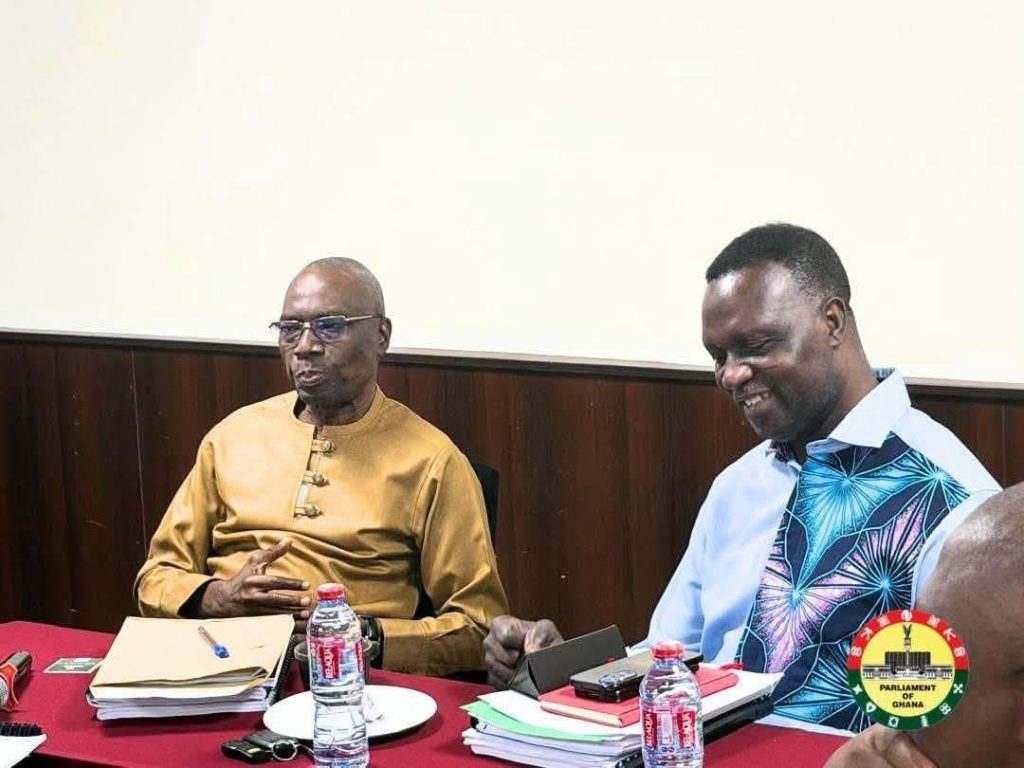
Accra, Wednesday, August 5, 2026The Parliamentary Select Committee on Education has held a capacity-building session aimed at strengthening its oversight role and improving accountability across Ghana’s education sector. The programme, held in Accra today, was designed to equip committee members with practical tools in ethical leadership, critical thinking, and evidence-based decision-making to guide their work in scrutinizing policies and expenditures within the sector.
Opening the session, facilitators stressed that the committee’s mandate extends beyond passively receiving reports from Ministries, Departments and Agencies. Members were urged to actively interrogate policy claims, demand data to back decisions, and where necessary, pursue legislative action in the public interest.
“We cannot limit ourselves to rubber-stamping submissions,” a lead facilitator noted. “Our duty is to ask the hard questions, test the evidence, and ensure that every cedi invested in education delivers measurable outcomes for Ghanaian children.”
The training covered three core ethical frameworks for public decision-making: consequentialist, duty-based, and virtue ethics. Participants discussed how these approaches can help lawmakers balance competing interests, manage public resources responsibly, and make decisions that prioritize fairness and long-term impact.
Committee members were also taken through practical oversight tools. These included stakeholder mapping to identify who is affected by education policies, evidence testing to verify the claims made in reports, and value-for-money assessment to ensure efficient use of public funds. The emphasis was placed on independently verifiable data and measurable learning outcomes rather than anecdotal reports.
To make the sessions practical, the committee examined case studies drawn from current challenges in the sector. Topics included the rollout of digital learning in basic and senior high schools, gaps in school infrastructure across regions, and allegations of enrollment inflation in some districts. In the digital learning case, members debated how to assess whether devices and connectivity are translating into improved literacy and numeracy. On infrastructure, discussions focused on project delays, cost overruns, and the need for post-construction audits. The enrollment inflation case provided a basis for exploring how Parliament can investigate discrepancies between reported figures and actual classroom attendance.
Chairing the session, the Committee Chair said the goal is to shift from reactive to proactive oversight. “We must be in a position to weigh competing priorities fairly, investigate concerns without bias, and strengthen accountability so that policies actually reach the classroom,” he stated.
Members agreed that going forward, the committee will request more disaggregated data, conduct field visits, and collaborate with civil society and education experts to validate information before legislative action.
The capacity-building programme forms part of Parliament’s broader effort to enhance the technical competence of its committees ahead of the consideration of the 2027 education budget and key reforms in the sector.



About The Author