Aayalolo buses begin contra-flow pilot operations on major Accra routes today to ease CBD traffic
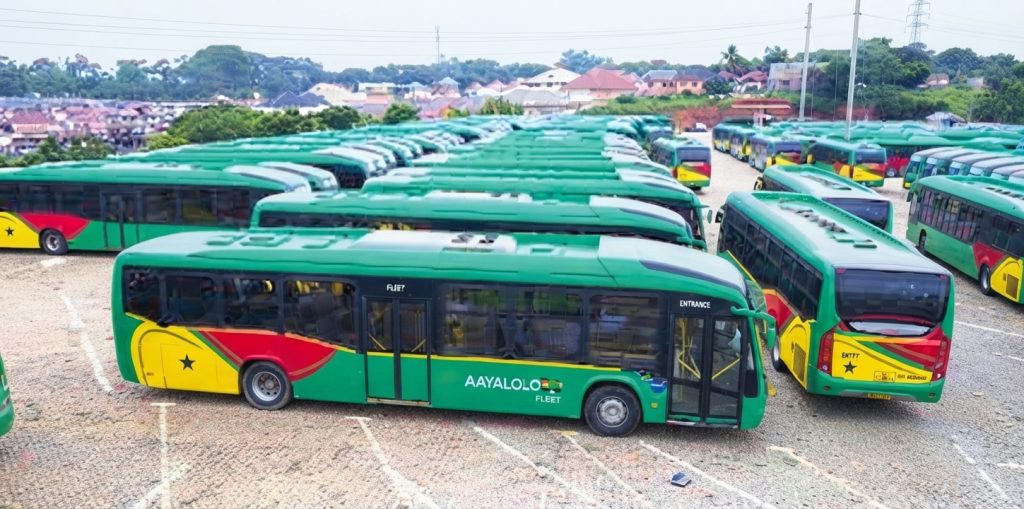
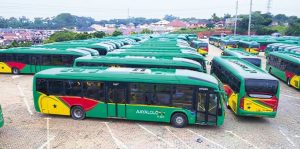
Commuters travelling into Accra’s Central Business District (CBD) will from today, Tuesday, September 29, 2026, experience a new traffic arrangement as government begins a pilot contra-flow system for Aayalolo Bus Rapid Transit (BRT) services on major corridors.
The initiative, announced by the Ministry of Local Government, Chieftaincy and Religious Affairs, is being implemented in collaboration with the Motor Traffic and Transport Department (MTTD) of the Ghana Police Service, the Greater Accra Passenger Transport Executive (GAPTE) and the Department of Urban Roads (DUR).
How it works:
From 6:00am to 9:00am, Aayalolo buses heading towards the CBD will use lanes normally reserved for traffic moving in the opposite direction. In the evening, from 4:00pm to 8:00pm, buses leaving the CBD will use lanes normally designated for vehicles heading towards the CBD.
The designated lanes will be marked with traffic cones, reflective lane dividers and road signs. GAPTE contra-flow wardens will be deployed along the routes, with MTTD personnel providing enforcement at critical intersections.
Corridors covered:
The pilot will initially cover three major corridors — Amasaman–Accra, Adenta–Accra and Kasoa–Accra — selected due to high commuter volumes during peak periods. A fourth corridor, Pokuase, has also been listed by GAPTE.
Designated pickup points include Amasaman, Pokuase, Kwame Nkrumah Circle, Achimota, Kasoa Main Station, Tuba Junction, Old Barrier, Weija Barrier, Kaneshie First Light, Adenta Barrier, Madina Junction, Legon and 37 Hospital.
Restrictions:
The contra-flow lanes are strictly reserved for authorised Aayalolo buses. Private cars, taxis, trotros, okadas, trucks and other commercial vehicles are barred from using them during operating hours. Motorists who violate the restriction will be prosecuted.
Government says the intervention is intended to improve the reliability and punctuality of Aayalolo services, reduce journey times for commuters, ease congestion on major approaches to the CBD, and encourage greater use of mass public transport.
Motorists, transport operators and residents along the corridors have been urged to cooperate with officers deployed to manage the pilot.



About The Author