
Torkonoo loses at ECOWAS court: 2 options left – Arusha or The Hague?
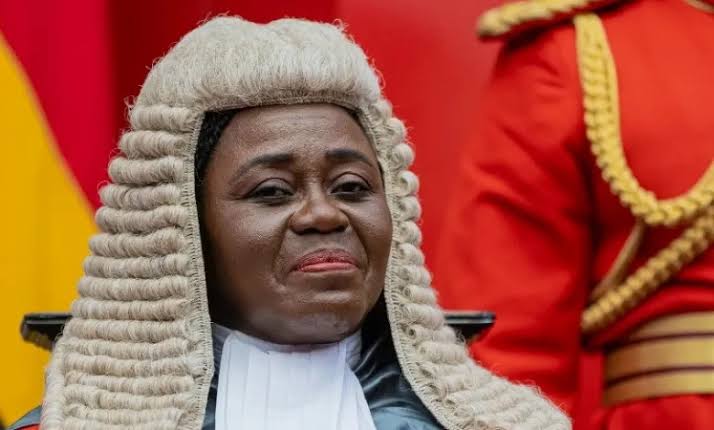
Former Chief Justice Gertrude Torkornoo’s legal battle suffered a major setback on Wednesday, June 24, 2026, after the ECOWAS Community Court of Justice unanimously dismissed her case against Ghana.
The court threw out Torkornoo’s application challenging her removal as Chief Justice and Justice of Ghana’s Supreme Court. The ruling effectively ends her bid to use the regional court to overturn the decision by Ghanaian authorities.
What the ECOWAS Court decided
The ECOWAS court found no grounds to interfere with Ghana’s internal judicial processes. With a unanimous decision, the judges dismissed all claims brought by Justice Torkornoo. The court’s stance signals strong deference to national sovereignty on matters of judicial appointments and removals.
For many legal observers, the ruling closes the door on one of the most high-profile challenges to a Chief Justice’s removal in West Africa. Photos from the court show Torkornoo in judicial robes, a stark contrast to the verdict that went against her.
What’s next after ECOWAS ruling?
The big question now is: where does Gertrude Torkornoo go from here? The Insight front page already hints at the two remaining options: “UN’s Arusha Tribunal or Hague?”
UN International Residual Mechanism for Criminal Tribunals, Arusha: This is often seen as a last resort for appeals on human rights and procedural fairness. But the Arusha mechanism typically handles international crimes, not domestic judicial removal cases. Legal experts say the chances are slim unless new human rights violations are alleged.
International Court of Justice, The Hague: The ICJ only hears disputes between states, not individuals vs states. For Torkornoo to reach The Hague, Ghana would have to be involved in a state-to-state case, which is highly unlikely in this matter.
What this means for Ghana’s judiciary
The ECOWAS ruling strengthens the position of Ghana’s government and the current judicial leadership. It signals that regional courts will be cautious about overturning constitutional processes handled by member states.
For Torkonoo, the legal options are narrowing fast. Unless she finds new grounds tied to international human rights law, her fight to return as Chief Justice may have ended at the ECOWAS court.
The case has already sparked debate about judicial independence, due process, and the limits of regional courts in domestic affairs. One thing is clear: this ruling sets a precedent for future cases across ECOWAS.



About The Author