Gov’t weighs lifting grain export ban…amid 70,000MT rice glut
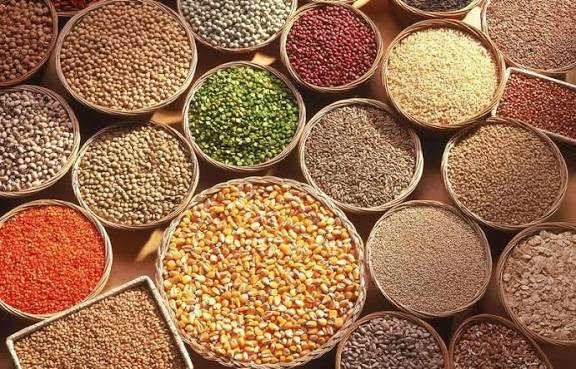
The Government is considering lifting the ban on grain exports after the country was hit with a massive surplus of locally produced rice.
About 70,000 metric tonnes of rice is currently lying unsold in warehouses across the country, forcing government to rethink the export restriction that has been in place since 2024.
The ban on the export of rice, maize and soya bean was first imposed in 2024 to prevent a looming food crisis after a prolonged dry spell destroyed farms in 8 regions in the northern and middle belts. Those regions produce about 62% of Ghana’s grains.
Two years on, the situation has reversed. Farmers have had bumper harvests but cannot sell.
The Chamber of Agribusiness Ghana says the ban is now hurting the very farmers it was meant to protect. According to the Chamber, over 100,000 metric tonnes from the 2024 harvest is still unsold, prices have crashed from around GH¢650 to GH¢400 per bag, and many farmers are stuck with huge storage costs and unpaid loans.
Chief Executive of the Chamber, Anthony Morrison, says government should replace the total ban with a quota system – setting limits on how much rice, maize and soya can be exported and imported each year.
This, he says, will allow farmers and exporters to trade, while still ensuring food security at home.
Government has not yet given a date for lifting the ban, but deliberations are underway. Lifting it is expected to free up warehouses, stabilize prices, and give farmers income to prepare for the next season.



About The Author