
1 in 3 Ghanaians with HIV don’t know it – GAC raises alarm

The Ghana AIDS Commission is raising the alarm over a major gap in the country’s HIV response, revealing that nearly 30% of Ghanaians living with HIV are unaware of their status.
Speaking at a press briefing on Tuesday, GAC Director General Dr. Kyeremeh Atuahene said the statistic represents thousands of people who are not on treatment and may be unknowingly transmitting the virus to others.
“Stigma, fear, and low testing rates are the biggest drivers of this gap,” Dr. Atuahene stated. “When people don’t know their status, they cannot access life-saving treatment. That delays care, worsens health outcomes, and increases the risk of new infections.”
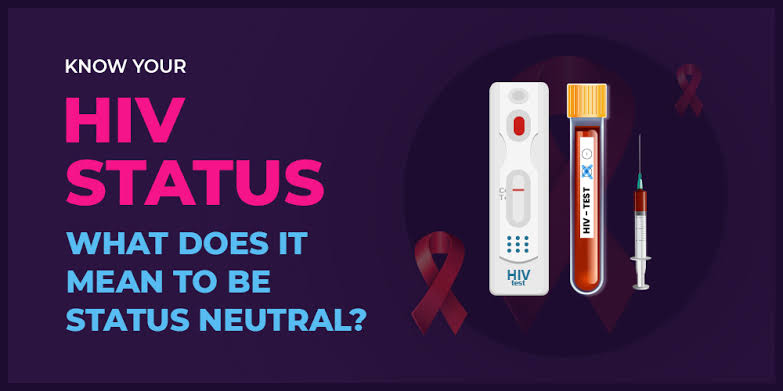
According to the Commission, Ghana has made progress in reducing new HIV infections and AIDS-related deaths over the past decade. However, the high number of undiagnosed cases is threatening efforts to meet the global UNAIDS 95-95-95 targets: 95% of people with HIV diagnosed, 95% of those diagnosed on treatment, and 95% of those on treatment virally suppressed by 2030.
To close the gap, the GAC announced a nationwide scale-up of testing and education. The plan includes community testing drives, mobile clinics in markets and lorry parks, and targeted campaigns for youth, men, and key populations who are less likely to visit health facilities. Dr. Atuahene urged all Ghanaians to know their status early.
“Testing is free, confidential, and treatment is also free. Early diagnosis means you can live a healthy, normal life,” he said. He added that antiretroviral drugs are available at all regional and district hospitals, and that the Commission is working with NGOs to expand access in hard-to-reach areas.
Health experts say funding and data remain critical challenges. They are calling for more resources for testing kits, counselor training, and public education. They also stressed the need to reduce discrimination in health facilities so people feel safe to test and seek care.
The GAC noted that stigma remains a major barrier, especially among young people and men who fear judgment from family and community. The new campaign will use radio, social media, and peer educators to normalize testing and share real stories of people living positively with HIV.
If Ghana is to end AIDS as a public health threat, experts agree the first step is finding the missing 1 in 3. The Commission says it is committed to making testing as easy and private as possible in the next 12 months.



About The Author